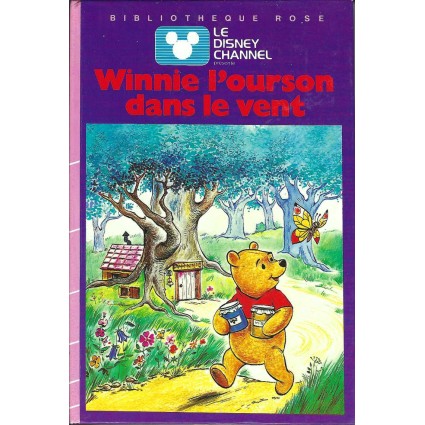


Language: French.
Bibliothèque Rose
Winnie the Pooh first appeared in 1926 and quickly became one of the most beloved characters in children’s literature. Rooted in imagination and emotional honesty, the stories offer a gentle exploration of childhood, friendship, and the small moments that define everyday life.
Set in a quiet forest, the world of Winnie the Pooh is inhabited by characters who each reflect recognizable human traits. Together, they form a social microcosm that addresses friendship, insecurity, joy, and reassurance with warmth and empathy.
Winnie himself is defined by his simplicity. He approaches life with curiosity and sincerity, guided more by affection than logic. This gentle perspective allows the stories to slow down and focus on emotional truth rather than action-driven plots.
The tone balances soft humor with quiet reflection. Language plays an important role, using misunderstandings and wordplay to create charm without cynicism. Beneath the surface, the stories offer comfort and emotional clarity.
Visually associated with warm colors and rounded shapes, the aesthetic reinforces a sense of safety and nostalgia. The setting feels timeless, removed from urgency and pressure.
Culturally, Winnie the Pooh has become a universal symbol of comfort and innocence. His presence extends beyond books, representing kindness, patience, and emotional openness across generations.
Winnie the Pooh endures as a reminder that gentleness can be a strength, and that sometimes the most meaningful adventures are the quiet ones shared with friends.
Language: French.
Bibliothèque Rose
check_circle
check_circle